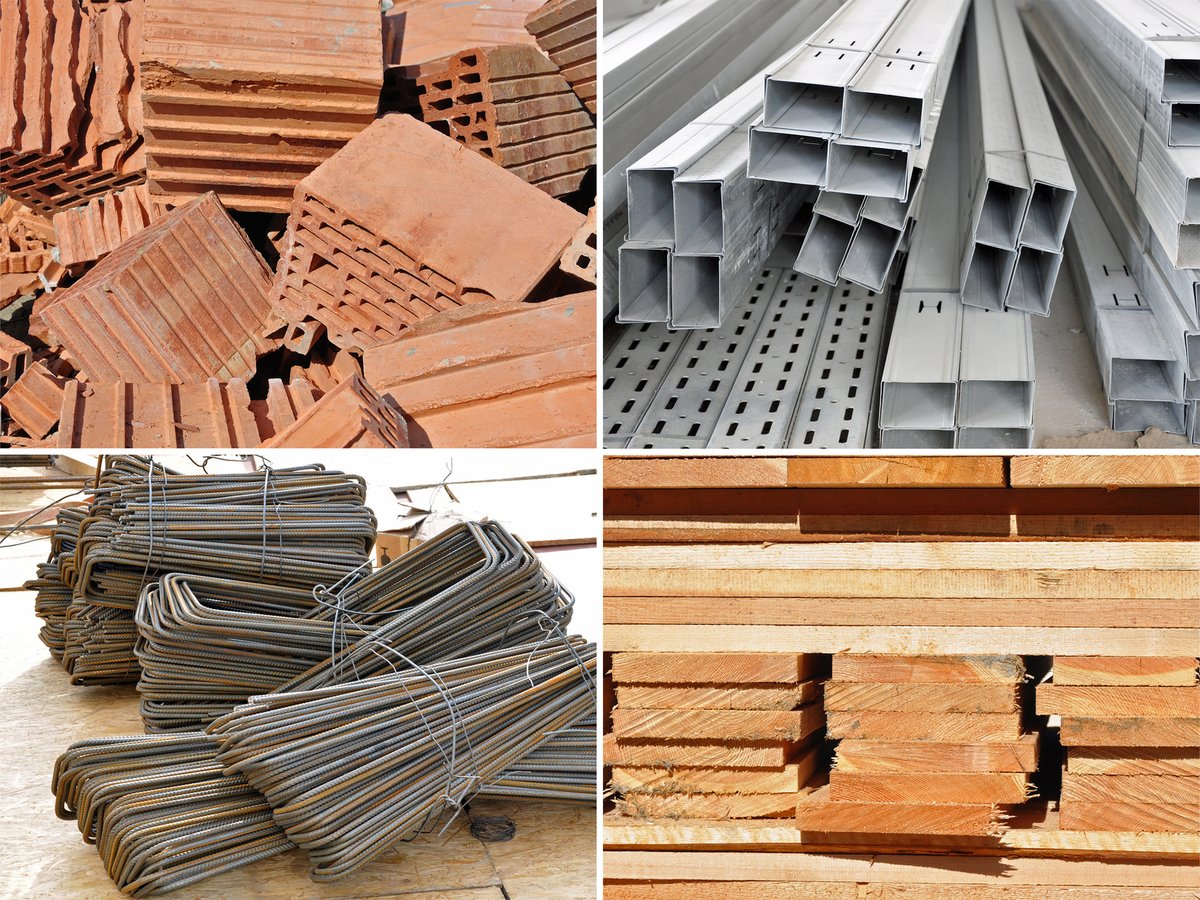
When you embark on any construction project, from a simple home renovation to breaking ground on a brand-new build, the choices you make about materials and resources for building aren't just details—they're the very bedrock of your success. These decisions shape everything: your budget, the lifespan of your structure, its energy footprint, the daily maintenance it demands, and even its curb appeal. Forget generic advice; we're diving deep into how you can select the right materials, manage them effectively, and build something that truly stands the test of time, on budget and on schedule.
At a Glance: Smart Material Choices for Your Build
- Impact Everything: Material selections affect cost, durability, aesthetics, energy use, and timelines.
- Beyond Basics: Factor in structural integrity, local codes, climate, and long-term maintenance.
- Categorize & Conquer: Break down materials by project phase—from foundation to finishes.
- Plan, Don't Panic: Create a detailed list early, collaborate, and quantify accurately with waste factors.
- Future-Proof Your Build: Keep an eye on innovations like mass timber, smart materials, and 3D printing.
The Foundation of Any Great Build: Why Materials Matter So Much
Choosing the right building materials isn't merely a line item on a budget; it's a strategic decision that profoundly impacts every facet of your construction project. Think of it as laying the groundwork for every future interaction you'll have with your building. Get it right, and you’ll enjoy a durable, efficient, and beautiful space. Misstep, and you could face costly repairs, energy drains, or aesthetic disappointments down the line.
A well-considered materials list is your blueprint for success, helping you accurately budget, plan logistics, ensure quality control, and even achieve ambitious sustainability goals. It’s about more than just buying what's cheapest or most convenient; it’s about making informed choices that align with your vision and values. Suppliers like Resource Building Materials (RBM), who have been providing quality materials since 1945, understand this deeply, offering not just block, brick, stone, sand, and gravel, but also the expertise to help you select and quantify materials correctly, ensuring you get specifications that match your project's needs.
Navigating Your Material Choices: Key Considerations Before You Buy
Before you start sketching or even speaking with a contractor, understanding the core criteria for material selection will empower you to make smarter decisions. This isn't just about what looks good; it’s about what performs best for your specific project and environment.
Beyond the Blueprint: Structural Integrity & Safety
Your building's primary job is to stand strong and keep its occupants safe. Every material you choose, from the rebar in your foundation to the studs in your walls, must meet rigorous building codes and engineering specifications. This isn't just a suggestion; it’s a legal requirement. Consider the loads your structure will bear—wind, snow, seismic activity—and select materials that can confidently withstand them. Safety also extends to fire resistance and proper ventilation, all dictated by material choice.
Built to Last: Durability & Lifespan
Longevity isn't just about the initial cost; it's about the total cost of ownership over decades. Will your siding fade and crack in five years, or will it look great for fifty? Your climate plays a huge role here: extreme temperatures, heavy rainfall, intense UV exposure, or even persistent pests all impact how materials age. Investing in durable materials upfront often translates to significant savings on repairs and replacements down the road.
Smart Savings: Energy Efficiency & Performance
The operational costs of a building can easily outweigh its construction costs over its lifetime. Materials are central to energy efficiency. Think about the R-value of your insulation, the U-factor of your windows, and the thermal mass of your walls. These choices directly affect heating and cooling needs, impacting both your wallet and the environment. High-performance materials contribute to a comfortable interior climate, reducing your reliance on mechanical systems.
Time and Effort: Maintenance Requirements
Some materials demand constant attention, while others practically take care of themselves. A beautifully stained cedar siding, for example, requires regular cleaning and resealing to maintain its luster, unlike a low-maintenance vinyl alternative. Factor in the long-term commitment of time and money associated with upkeep. Will you enjoy tending to your building's exterior, or would you prefer to "set it and forget it"?
Making a Statement: Aesthetics & Design Goals
This is where your vision comes to life. Materials define the architectural style and overall feel of your structure. Do you envision a rustic stone cottage, a sleek modern glass facade, or a classic brick home? Each material brings its own texture, color, and character. Ensure your choices align seamlessly with your design goals, creating a cohesive and appealing aesthetic both inside and out.
Building Greener: Environmental Impact & Sustainability
The ecological footprint of construction is increasingly a critical consideration. Evaluate materials based on their embodied energy (the energy consumed in their production, transport, and disposal), their recyclability, and whether they come from rapidly renewable or locally sourced resources. Opting for sustainable choices not only benefits the planet but can also enhance your building's market value and appeal to environmentally conscious buyers.
Keeping on Schedule: Availability & Lead Times
Nothing derails a project faster than missing materials. Before you finalize your selections, check the availability of specialty items or custom orders. Supply chain issues can cause significant delays, impacting labor schedules and overall project timelines. For critical components, order well in advance or have vetted substitutions ready. Reliable local suppliers, like RBM, can often provide quicker access to common building materials, mitigating potential delays.
The Right Hands for the Job: Skill Level Required for Installation
Some materials are DIY-friendly, while others demand highly specialized skills and equipment. Installing intricate tile work, for instance, requires a different level of expertise than laying laminate flooring. Consider the complexity of installation when choosing materials, as this directly affects labor costs and the need for skilled tradespeople. Simpler installations can save time and money, but may not always offer the desired aesthetic or performance.
Your Comprehensive Toolkit: A Deep Dive into Building Materials by Category
Building a structure involves a vast array of materials, each playing a critical role. Organizing them by category helps you visualize the entire project and ensures no crucial element is overlooked.
Getting Started: Site Preparation & Foundation
This phase sets the stage for everything else, literally rooting your structure to the earth.
- Erosion Control: Silt fencing, straw waddles to prevent soil runoff.
- Temporary Utilities: Power poles, water hookups for construction needs.
- Concrete: Ready-mix (3000-4000 psi for foundations), rebar (#3-#6 for reinforcement), wire mesh, concrete forms, sealers.
- Masonry: CMU (concrete masonry unit) blocks, mortar, grout.
- Foundation Protection: Foundation coatings, drainage board, drain pipe, gravel (for drainage), sump pumps.
- Moisture Control: Vapor barrier (polyethylene sheeting).
- Fill Material: Clean fill dirt, sand.
The Backbone: Structural Framing
This is the skeleton of your building, providing its strength and shape.
- Wood Framing:
- Dimensional Lumber: 2x4s to 2x12s for studs, joists, rafters.
- Engineered Wood Products: LVL (laminated veneer lumber), PSL (parallel strand lumber), LSL (laminated strand lumber), I-Joists, Glulam (glued laminated timber) for longer spans and higher loads.
- Sheathing: Plywood or OSB (oriented strand board) for walls, roofs, and subfloors.
- Fasteners & Connectors: Nails, screws, joist hangers, hurricane ties, post bases.
- Steel Framing:
- Light Gauge Steel (LGS): Studs, tracks, joists, headers for non-combustible construction.
- Fasteners: Self-drilling screws, clips.
- Concrete/Masonry Framing:
- Used in conjunction with rebar for robust structural systems.
Your Home's Armor: The Building Envelope
This critical layer protects your interior from the elements, ensuring comfort and energy efficiency.
- Roofing:
- Underlayment: Felt, synthetic materials for water resistance.
- Roofing Materials: Asphalt shingles, metal roofing (standing seam, corrugated), clay/concrete tiles, slate, EPDM/TPO/PVC membranes (for low-slope roofs).
- Flashing: Step, valley, drip edge to prevent water intrusion.
- Vents: Ridge, soffit, box vents for attic ventilation.
- Gutters & Downspouts: Aluminum, vinyl, steel, copper to manage rainwater.
- Exterior Walls:
- Siding: Vinyl, fiber cement, wood (cedar, redwood), metal panels, brick veneer, stone veneer, stucco.
- Sheathing: Plywood, OSB, rigid foam insulation.
- Weather Barrier: Housewrap (e.g., Tyvek) to prevent air and water infiltration.
- Trim: Fascia, soffit, corner boards, window/door trim.
- Windows & Exterior Doors:
- Frames: Vinyl, wood, aluminum, fiberglass, composite.
- Glass: Double/triple-pane IGUs (insulated glass units), Low-E coatings, argon gas fills for energy efficiency.
- Doors: Steel, fiberglass, wood entry doors.
- Sealing: Flashing tape, sill pans, exterior caulk.
Defining Spaces: Interior Construction
Once the shell is complete, it's time to build out the interior.
- Walls & Ceilings:
- Framing: 2x4 or 2x6 studs.
- Drywall: 1/2" standard, 5/8" fire-rated (for garages/firewalls), cement board (for wet areas), green board (moisture-resistant).
- Insulation: Fiberglass batts, mineral wool, cellulose (blown-in), spray foam.
- Interior Doors: Solid core (for sound dampening/durability), hollow core (lightweight, economical), wood, MDF, composite.
- Flooring:
- Subfloor: Plywood, OSB, concrete slab.
- Underlayment: Felt, foam, cork for sound/moisture control.
- Finish Flooring: Hardwood, engineered wood, laminate, luxury vinyl plank (LVP), tile (ceramic, porcelain, natural stone), carpet, polished concrete.
- Stairs: Stringers, treads, risers, newel posts, balusters, handrails.
Comfort & Efficiency: Insulation & Air Sealing
These elements are critical for maintaining a comfortable indoor environment and reducing energy consumption.
- Insulation: Blown-in cellulose/fiberglass, fiberglass/mineral wool batts, spray foam (open-cell, closed-cell), rigid foam boards (for attics, walls, floors, basements/crawlspaces).
- Air Sealing: Caulk (silicone, acrylic latex, fireblock), canned spray foam, weatherstripping, gaskets, housewrap tape to prevent drafts and moisture intrusion.
Essential Lifelines: Plumbing Systems
Delivering fresh water and removing waste is fundamental to a functional building.
- Supply Lines: PEX tubing (flexible, easy to install), CPVC pipe, copper pipe (Type L for durability, Type M for lighter duty), fittings, pipe hangers.
- Drain, Waste, & Vent (DWV): PVC pipe (schedule 40), ABS pipe, fittings.
- Fixtures: Toilets, sinks, faucets, showers, bathtubs, garbage disposals, water heaters (tank, tankless), water softeners.
Powering Your Project: Electrical Systems
Safely distributing electricity throughout the building requires specific, code-compliant materials.
- Wiring: NM-B cable (Romex, typically 14/2 to 10/2 gauge), THHN/THWN wires (for conduit), low-voltage wiring (data, audio, security).
- Conduit: EMT (electrical metallic tubing), PVC (schedule 40/80), flexible conduit.
- Panels & Breakers: Main service panel, sub-panels, circuit breakers (AFCI, GFCI, standard).
- Boxes: Electrical boxes (single/double gang, octagon, round, fan-rated), cover plates.
- Devices: Switches, outlets (standard, GFCI, AFCI, USB), dimmers, light fixtures, ceiling fans, doorbells, smoke/CO detectors.
Climate Control: HVAC Systems
Heating, ventilation, and air conditioning ensure year-round comfort.
- Equipment: Furnace, AC unit, heat pump, air handler, boiler, ductless mini-splits.
- Distribution: Ductwork (sheet metal, flexible, duct board), registers, grilles; PEX tubing (for radiant heat systems), baseboard radiators.
- Ventilation: ERV (energy recovery ventilator), HRV (heat recovery ventilator), exhaust fans, intake vents.
- Controls: Thermostat, zone dampers.
The Finishing Touches: Drywall & Interior Finishes
These materials bring the interior spaces to life, adding color, texture, and functionality.
- Drywall: Standard 1/2", 5/8" sheets, corner bead.
- Joint Compound: Setting-type (quick-drying), lightweight all-purpose.
- Drywall Tape: Paper, mesh.
- Primer & Paint: Drywall primer, interior/exterior latex paint, trim paint.
- Trim & Molding: Baseboards, crown molding, chair rail, casing (MDF, wood, PVC).
- Cabinetry: Kitchen, bathroom vanities (plywood, particleboard, MDF, solid wood).
- Countertops: Laminate, solid surface, quartz, granite/marble, butcher block, concrete, tile.
- Backsplashes: Tile, natural stone, stainless steel.
- Tile Setting Materials: Thinset mortar, grout, tile spacers, waterproofing membranes.
Specialized Needs & Exterior Flair: Landscaping, Fireplaces, Appliances
Often considered last, these items complete the functionality and aesthetic appeal of your project.
- Fireplaces: Firebrick, chimney flue liner, hearth materials, mantels.
- Hardware: Cabinet hardware, door stops, towel bars.
- Appliances: Range, refrigerator, dishwasher, microwave.
- Exterior: Decking materials (wood, composite), patio pavers, retaining wall blocks, exterior lighting. If you're looking for innovative solutions for landscaping and paving, you might even learn about the cobble generator for creating unique hardscapes.
Crafting Your Master List: Strategic Planning for Material Success
Developing a comprehensive and accurate materials list is a cornerstone of effective project management. It's more than just a shopping list; it's a living document that guides your entire build.
Starting Strong: Project Scope & Design Alignment
Your detailed architectural plans and engineering specifications are your primary sources for material needs. Every line, every dimension, and every note on those plans translates directly into a material requirement. Don't guess; cross-reference everything. A clear understanding of your project's scope is essential, as changes mid-project can have ripple effects on material needs and costs.
Playing by the Rules: Local Building Codes & Permits
Before even thinking about aesthetics, ensure all materials and construction methods comply with local building codes. These regulations are designed for safety and structural integrity. Obtaining the necessary permits early verifies that your chosen materials meet these standards, preventing costly rework or delays later on. Local officials often have specific requirements for everything from insulation R-values to fire-rated doors.
Weathering the Storm: Climate & Environmental Resilience
Where you build significantly dictates what you build with. Select materials that are inherently resistant to the specific environmental challenges of your location: high moisture, extreme hot or cold temperatures, strong seismic activity, high winds, or prevalent pests. For instance, a coastal home demands corrosion-resistant fasteners and materials impervious to salt spray, while a home in a wildfire-prone area requires fire-resistant roofing and siding.
Beyond Basics: Performance Needs & Quality
What do you want your building to do? Prioritize performance needs such as superior energy efficiency, exceptional durability, specific acoustic properties (e.g., soundproofing for a home office), and optimal indoor air quality (e.g., low-VOC paints and finishes). Don't just settle for "good enough" when it comes to key performance indicators. High-quality, purpose-built materials will often outperform generic alternatives, contributing to long-term satisfaction and value.
Looking Good: Aesthetics That Endure
While structural integrity comes first, the visual appeal of your project is what people will see and experience daily. Choose materials that not only align with the desired architectural style but also promise to maintain their visual appeal over time. Consider how materials will weather, age, and interact with natural light. A cohesive aesthetic creates a more harmonious and valuable property.
The Green Advantage: Embracing Sustainability
Sustainability in building goes beyond just buzzwords. Actively opt for materials with a reduced environmental footprint. This includes materials with high recycled content, those derived from rapidly renewable resources, local sourcing to reduce transportation emissions, and products with low embodied energy. Also, consider the material's end-of-life cycle: can it be recycled or reused? Building green is a commitment to the future.
Balancing the Books: Budgeting Beyond the Sticker Price
Always research material costs thoroughly, but look beyond the initial purchase price. Consider the lifecycle cost, which includes installation, maintenance, and potential replacement over the life of the building. Sometimes a more expensive material upfront can save you significant money in energy bills or upkeep over two decades. Prioritize structural and envelope integrity, as these areas are the most costly to modify or repair later.
Timing is Everything: Availability & Lead Time Management
Specialty or custom materials can have surprisingly long lead times, sometimes extending for months. Account for these potential supply chain delays in your project schedule. It’s wise to order critical or custom items well in advance, even before other phases of the project begin. Always have a backup plan or pre-approved substitutions if your preferred materials become unavailable unexpectedly.
Mastering Your Materials: Pro Tips for Seamless Project Execution
Once you've decided on your materials, efficient management is key to keeping your project on track and on budget.
Tools of the Trade: Leveraging Technology for Accuracy
Don't rely on sticky notes or fragmented emails. Utilize spreadsheet software (like Excel or Google Sheets) or specialized construction estimating tools to organize your materials list. These platforms help with calculations, tracking quantities, and managing costs, providing a centralized, accessible record for everyone involved.
Team Effort: The Power of Collaboration
Your materials list shouldn't be a solo effort. Share it with your architect, engineer, general contractor, and relevant subcontractors (plumbers, electricians, finishers). Their input is invaluable for ensuring accuracy, identifying potential conflicts, and confirming material compatibility with their specific trades. This collaborative approach minimizes errors and misunderstandings.
Methodical Organization: Breaking Down the List
Overwhelm is common with extensive material lists. Break it down into manageable sections: by project phase (e.g., Site Prep, Foundation, Framing, Rough-in, Finishes) and by trade (e.g., Plumbing, Electrical, HVAC). This structured approach makes it easier to track progress, order materials in sequence, and coordinate deliveries.
The Devil's in the Details: Being Specific with Specifications
Vague descriptions lead to errors. For each item, provide detailed specifications: lumber grade, concrete mix design (e.g., "4000 psi concrete with 3/4" aggregate"), paint sheen and color codes, specific model numbers for fixtures, or window U-factors. The more precise you are, the less room there is for misinterpretation or incorrect orders.
Measure Twice, Cut Once: Quantifying Accurately
Precision in measurement directly impacts your budget. Measure precisely from your architectural plans. For materials like flooring, siding, drywall, and roofing, always add a 10-15% waste factor to your calculations. This buffer accounts for cuts, mistakes, and unforeseen damage, saving you from costly emergency orders and project delays.
Smart Shopping: Sourcing Wisely
Obtain quotes from multiple suppliers to compare prices, delivery costs, and service. Don't forget to ask about return policies, as surplus materials can sometimes be returned for a partial refund. Suppliers like RBM offer not just materials but also assistance with quantity calculations, ensuring you order what you need without excessive waste or shortages. Building strong relationships with reliable suppliers can also lead to better pricing and service in the long run.
On-Site Savvy: Tracking Deliveries & Inventory
Designate specific, protected storage areas on your job site for different materials. Protect sensitive items from weather, theft, and damage. When deliveries arrive, immediately verify the contents against your packing slips and purchase orders. Keep a running inventory to track what's on hand and what still needs to be ordered, preventing both shortages and overstocking.
Embracing Adaptability: Staying Flexible with Substitutions
Despite the best planning, sometimes your preferred materials are simply unavailable. Be prepared to approve substitutions if necessary. The key is to ensure any replacement material meets or exceeds the original specifications for performance, durability, and aesthetics. Always document approved substitutions clearly to avoid confusion later.
What's Next? The Future of Building Materials
The world of building materials is constantly evolving, driven by demands for greater sustainability, efficiency, and innovation. We're seeing a wider adoption of Mass Timber products like Cross-Laminated Timber (CLT) and Glulam, offering strong, renewable alternatives to steel and concrete. Advanced insulation materials such as Aerogels and Vacuum Insulated Panels (VIPs) are providing unprecedented thermal performance in thinner profiles.
The rise of smart materials is also on the horizon, with self-healing concrete that repairs its own cracks, phase-change materials that regulate indoor temperatures, and electrochromic glass that tints on demand. Bio-based materials like hempcrete (hemp and lime composite) and mycelium composites (mushroom roots) offer eco-friendly structural and insulation solutions. And of course, 3D printing continues to push boundaries, allowing for rapid, customized construction of homes and components using materials like concrete. Staying informed about these advancements can help you future-proof your projects and contribute to a more sustainable built environment.
Ready to Build? Your Next Steps for Success
You now have a robust framework for approaching materials and resources for building, equipped with knowledge on selection criteria, a comprehensive list of categories, and strategic planning tips. The journey from concept to completion is complex, but with informed material choices and meticulous management, you're set for success.
Your next steps should focus on putting this knowledge into action:
- Refine Your Vision: Revisit your project plans with these material considerations in mind.
- Consult Experts: Engage with architects, engineers, and trusted suppliers like RBM, leveraging their expertise to finalize your material specifications.
- Start Your Master List: Begin compiling a detailed, organized materials list, accounting for quantities, specifications, and lead times.
- Budget Realistically: Build out your budget to reflect not just purchase costs, but also installation, maintenance, and potential contingency for substitutions.
By approaching your material selections with strategy and diligence, you’re not just constructing a building; you’re building confidence, value, and a lasting legacy.